 Noctave
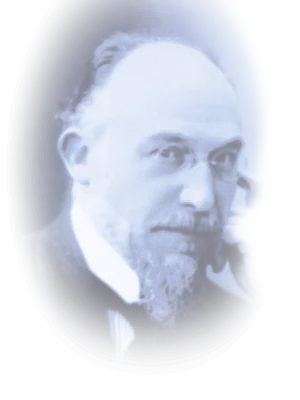
Born in Honfleur, Satie went through the Paris Conservatoire without settling there, then earned his living as a pianist in the cabarets of Montmartre. From 1898 he lived in Arcueil. His piano pieces are often short and carry unexpected titles and markings: the three Gymnopédies of 1888, the Gnossiennes, and later Sports et divertissements. Their bare writing left a mark on French composers of the early twentieth century.
Start with the easy version of Gymnopédie No. 1: it keeps the melody and harmony of the first part over a simple accompaniment, so you can get used to the slow pace without worrying about leaps. Then move to the original. There the left hand alternates a low bass note and a chord in the middle of the keyboard, which means covering spans of up to fifteen semitones, while the right hand sings above it without ever hurrying. The tempo stays slow from start to finish: the evenness of the sway is what makes the piece.