 Noctave
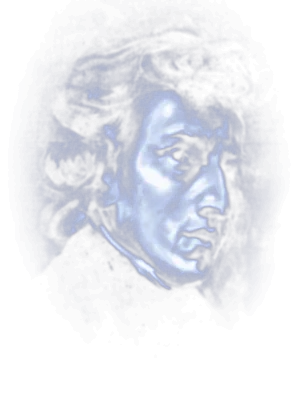
The piece
The three nocturnes of Op. 9 are dedicated to Marie Pleyel, a pianist and the wife of the piano maker Camille Pleyel. The second rests on a gentle 12/8 lilt: on each beat, a bass note and then two chords in the left hand, beneath a melody that comes back several times, more ornate at each return. Near the end, Chopin writes a senza tempo passage: a small four-note figure repeated very fast high up, fortissimo and then fading, like a singer’s cadenza. This is the Schirmer edition from New York.
The left hand makes 175 quick leaps, from the low bass up to the chords in the middle register. Those chords stay very light; it is the bass that creates the lilt. Practise this movement alone until your hand finds the chords unseen. The right-hand ornaments (trills, mordents, a turn, grace notes) follow the melody rather than the bar line: let them stretch a little while the left hand stays steady. For the senza tempo passage, first play the figure slowly in even notes, then speed it up in stages before letting it slow down and die away.